
THE GREAT MEDITERRANEAN ISLAND GUIDE
By Publisher Ray Carmen
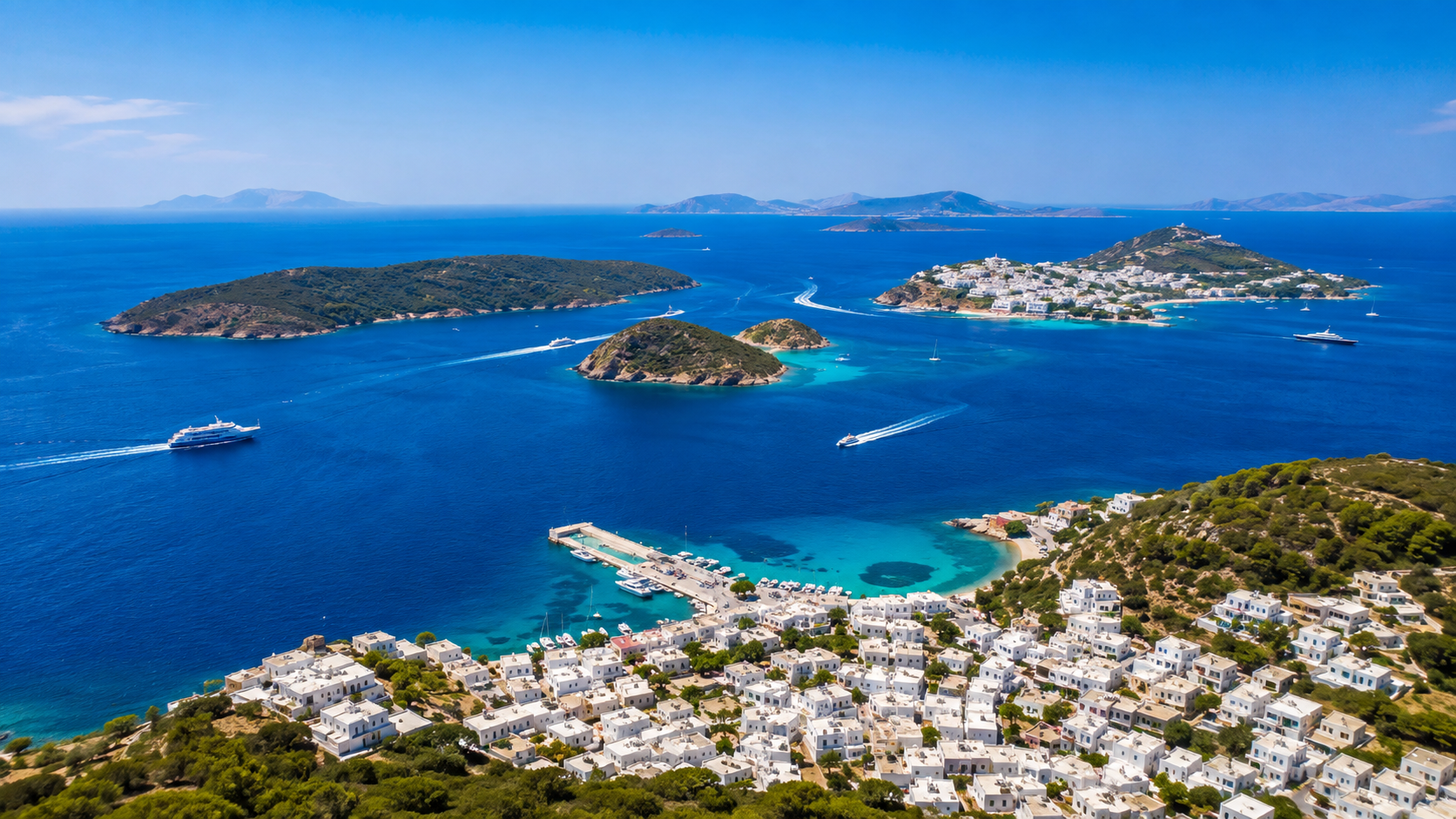
Seventy-nine commercially important islands form an extraordinary necklace of destinations, each with its own character, market and invitation to travel.
The Mediterranean island story begins with variety. Mallorca offers scale, airlift, resorts and a sophisticated capital. Ibiza combines celebrated nightlife with quiet northern villages and a strong luxury market. Menorca moves at a gentler rhythm, while Formentera distils island escape into clear water, bicycles and low-rise charm. Across the sea, Corsica brings mountain drama; Sardinia adds glamorous marinas and vast beaches; Sicily offers cities, volcanoes, vineyards and one of Europe’s richest historical landscapes.
Further east, Malta and Gozo combine English-speaking accessibility with honey-coloured architecture and deep maritime history. Crete is almost a country in miniature, with major resorts, mountain villages and Minoan heritage. Rhodes, Corfu, Kos, Mykonos and Santorini are global names, but Paros, Naxos, Milos, Tinos and the smaller Cyclades increasingly attract travellers seeking design, food and a more intimate pace.
The Adriatic contributes another world: Hvar for polish and nightlife, Brač for beaches, Korčula for wine and history, Krk for accessibility, and quieter islands such as Vis, Mljet and Lastovo for nature-led travel. Cyprus, Djerba, Bozcaada and Gökçeada extend the story towards the eastern and southern Mediterranean, where cultures, cuisines and landscapes change again.
Mediterranean World will treat these islands not as a simple ranking but as individual commercial destinations. We will examine access, hotels, cruises, gastronomy, property, festivals and the best time to visit.
The great strength of the Mediterranean is that it can offer an island for every traveller — and a new reason to return every year.