
MEDITERRANEAN CRUISES: THE GRAND TOUR BY SEA
By Publisher Ray Carmen
One voyage can connect Roman capitals, Greek temples, island harbours, North African medinas and the great cities of the Levant.
The Mediterranean was made for cruising. Distances between ports are manageable, the weather is generous and every arrival can feel like the opening scene of a different film. A western itinerary may begin in Barcelona, call at Marseille or the Riviera, continue to the Balearics and turn towards Rome, Naples, Sicily or Sardinia. In the Adriatic, Venice, Split, Dubrovnik, Kotor and the Greek islands create one of the world’s most photogenic sea routes.
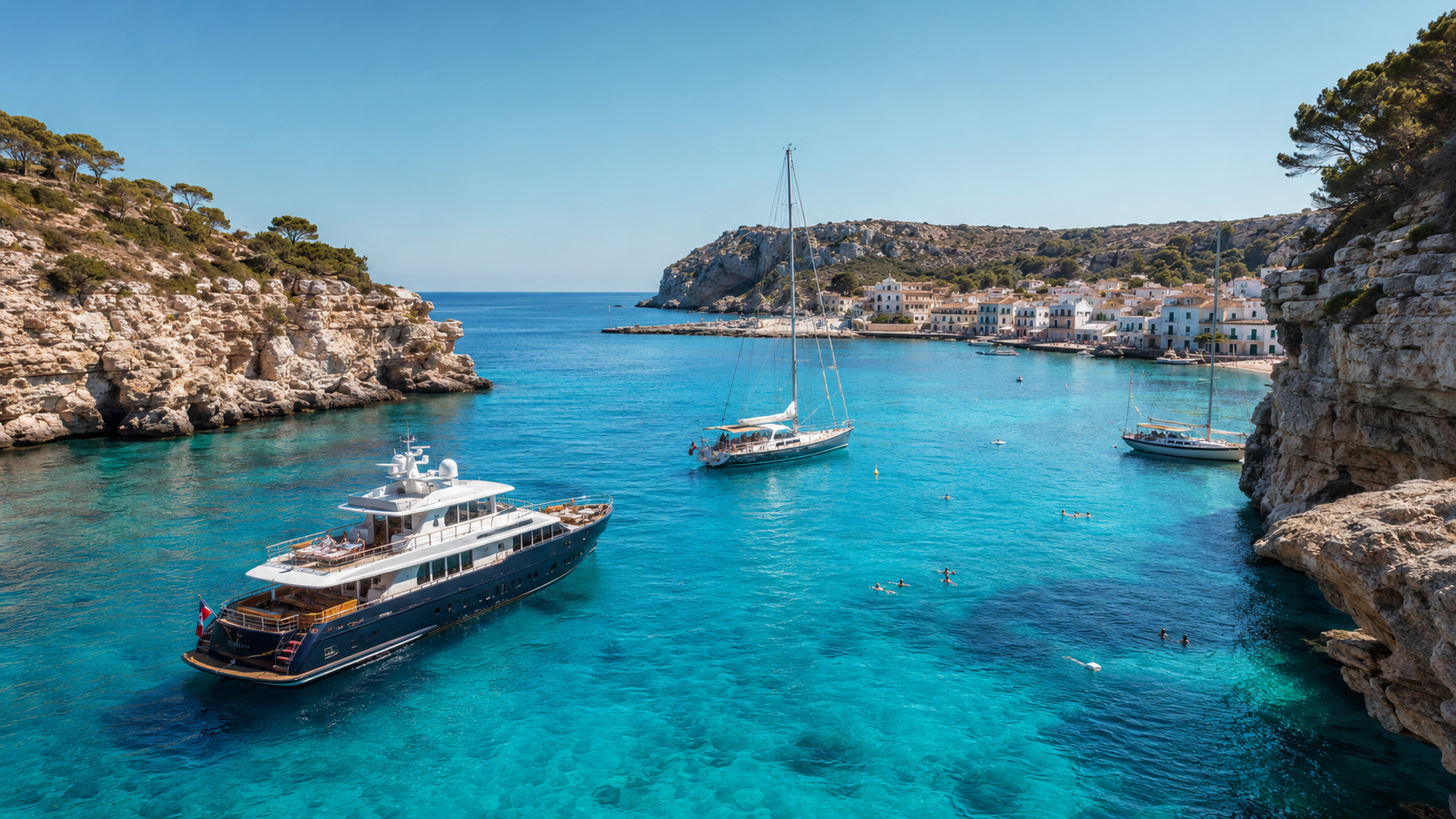
Eastern journeys place Athens and Piraeus at the centre of a network reaching Crete, Rhodes, Cyprus and the Turkish coast. Istanbul adds imperial scale; Valletta offers one of the most dramatic natural harbours; Alexandria opens a door to Egypt’s history. Smaller ships can enter ports and coves beyond the reach of the floating cities, while private yachts and gulets create a more personal rhythm.
The choice is not simply about the ship. Travellers should compare time in port, late departures, overnight stays, embarkation access and the balance between famous calls and less crowded alternatives. Spring and autumn can bring softer temperatures and a calmer experience, while summer offers the fullest programme and the liveliest islands.
Cruising also faces a responsibility test. Ports, cruise lines and travellers must reduce emissions, waste and pressure on historic centres. The future belongs to cleaner ships, longer seasons, better-managed arrivals and itineraries that spread economic benefit.
Done well, a Mediterranean cruise is not a race through postcards; it is a magnificent introduction to a connected world.