
A HISTORICAL INTRODUCTION: THE SEA THAT SHAPED CIVILISATION
By Publisher Ray Carmen
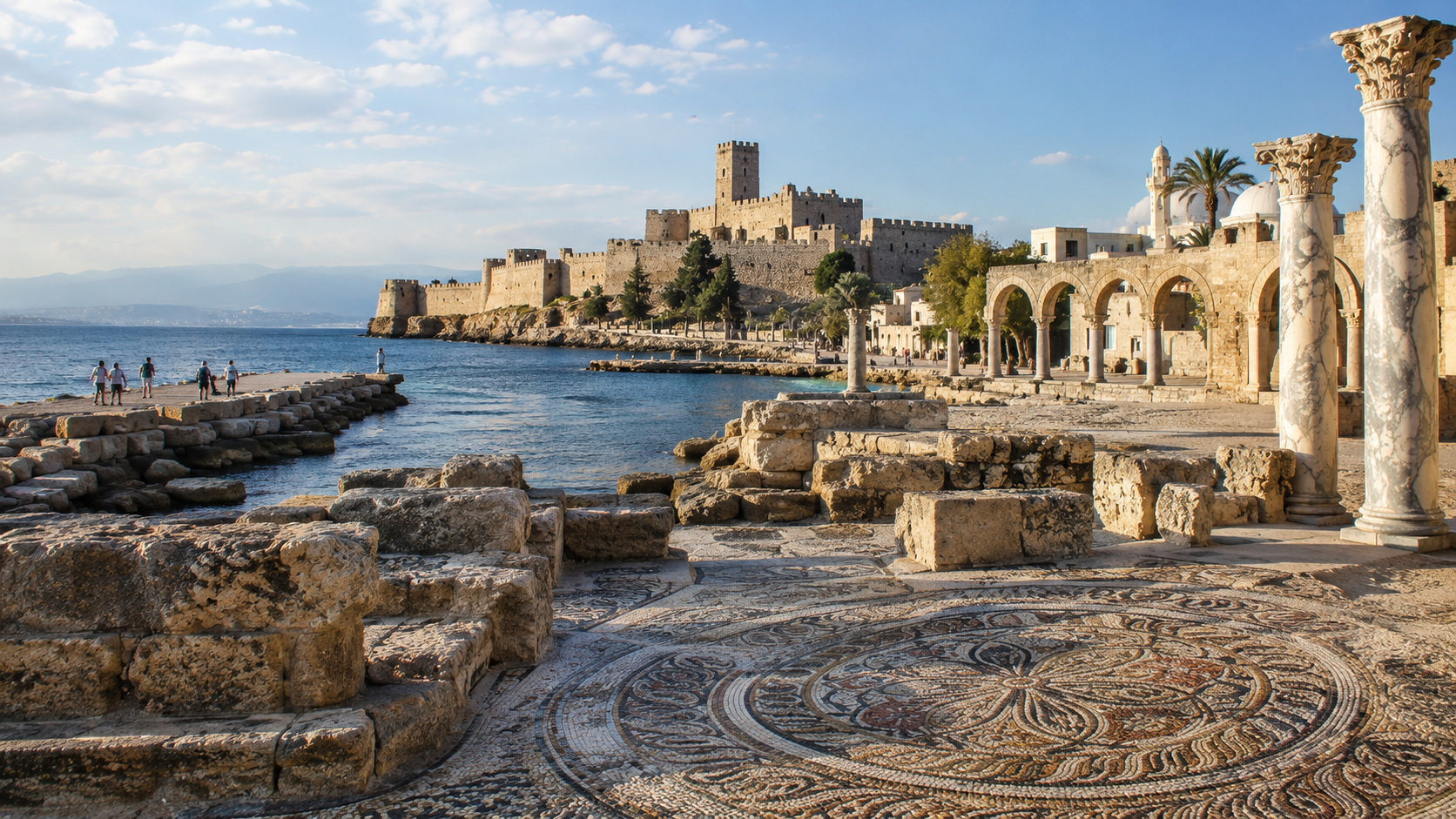
For thousands of years, the Mediterranean served not as a barrier, but as humanity’s great blue highway.
The name Mediterranean comes from the Latin for “in the middle of the land.” Geography placed it between continents; navigation turned it into a meeting place. Ships carried grain, wine, oil, metals, textiles and spices. They also carried language, religion, scientific knowledge, artistic forms and political ideas.
Minoans prospered on Crete. Phoenician merchants sailed from the Levant and founded trading settlements across the sea. Greek cities created networks of colonies; Rome later built an empire linked by ports and roads. After western Roman power declined, Byzantium preserved an eastern imperial tradition. Arab and Islamic civilisation transformed the southern and eastern shores and reached Iberia and Sicily, while Venice, Genoa and the Ottoman Empire shaped later centuries.
The Mediterranean became sacred ground for Judaism, Christianity and Islam, and a contested arena for crusades, empires and colonial ambition. Its history includes conflict and displacement, but also coexistence, translation and exchange. Ingredients moved between kitchens; architectural forms crossed borders; merchants created relationships where rulers created divisions.
Steamships, the Suez Canal, aviation and mass tourism later changed the scale of movement. Yet the enduring symbols remain elemental: olive, vine, bread, stone, sunlight and sea.
Today, the challenge is to protect this living inheritance while allowing new generations to experience it.