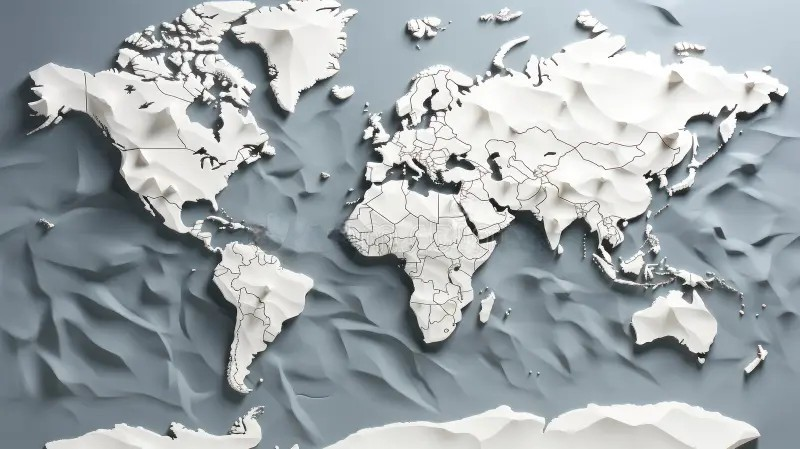
AFRICA | ASIA | EUROPE | NORTH AMERICA | SOUTH AMERICA | OCEANIA | ANTARCTICA

One Planet, 7 Continents
The World Is Your Oyster.
195 Countries. One Planet
In a world of shifting alliances, rising economies, and digital empires, the map is no longer just geography—it is strategy.
There are 195 recognised countries on Earth. Each one is a node in a vast, interconnected system of power, culture, trade, and ambition. Some dominate headlines. Others quietly control the resources, routes, and relationships that shape the future.
From the financial capitals of Europe to the resource-rich nations of Africa, from Asia’s manufacturing giants to the emerging energy corridors of South America—this is not just a list.
This is the playing field of the modern world.
.
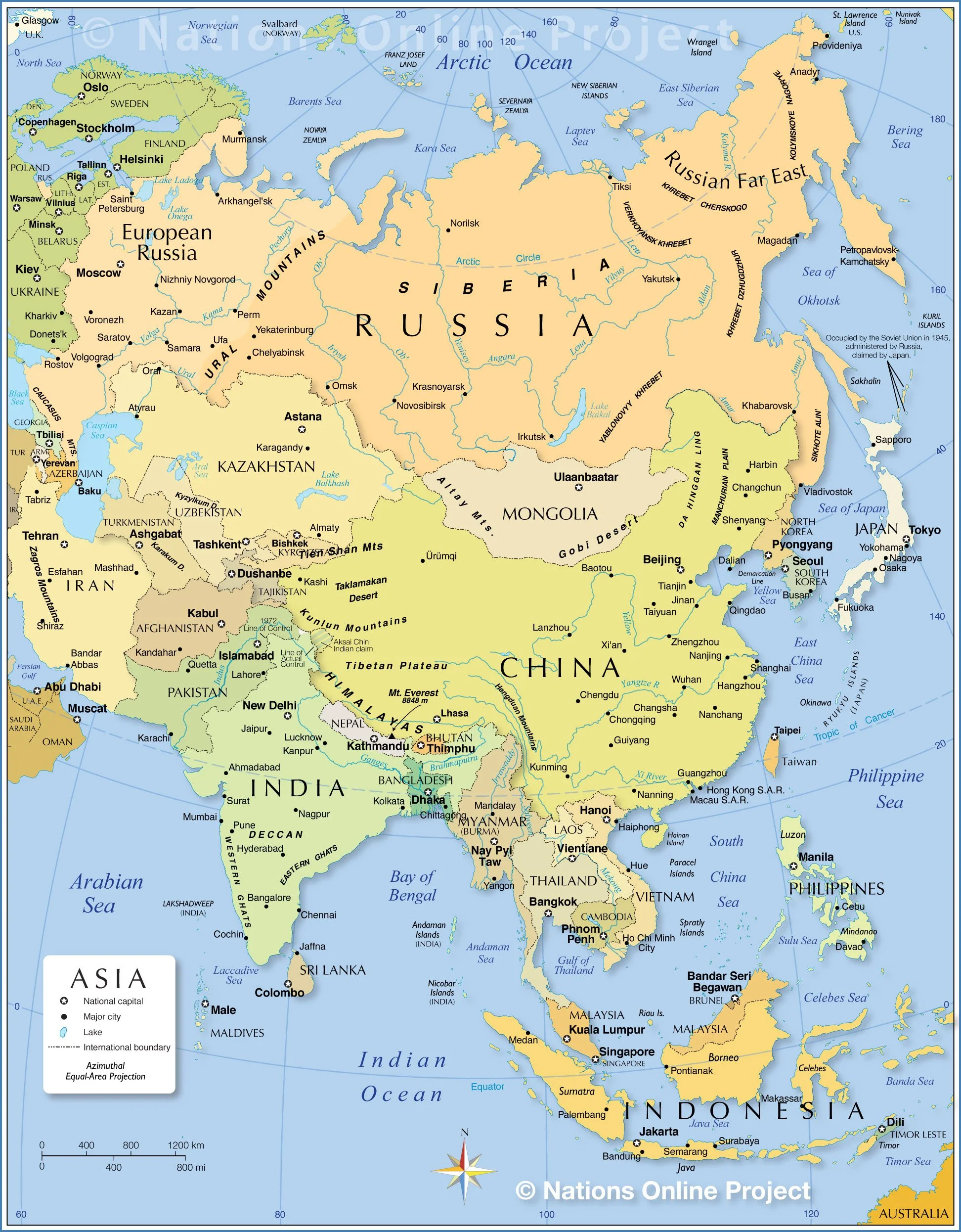
ASIA — The Engine of Global Growth
Asia is where scale meets speed.
Powerhouses such as China, India, and Japan drive manufacturing, technology, and population growth on an unmatched level.
Meanwhile, nations like Vietnam and Indonesia are rising as next-generation economic forces, attracting global investment and reshaping supply chains.
The Middle East—anchored by Saudi Arabia and the United Arab Emirates—continues to redefine itself beyond oil, investing heavily in future cities, artificial intelligence, and global tourism.
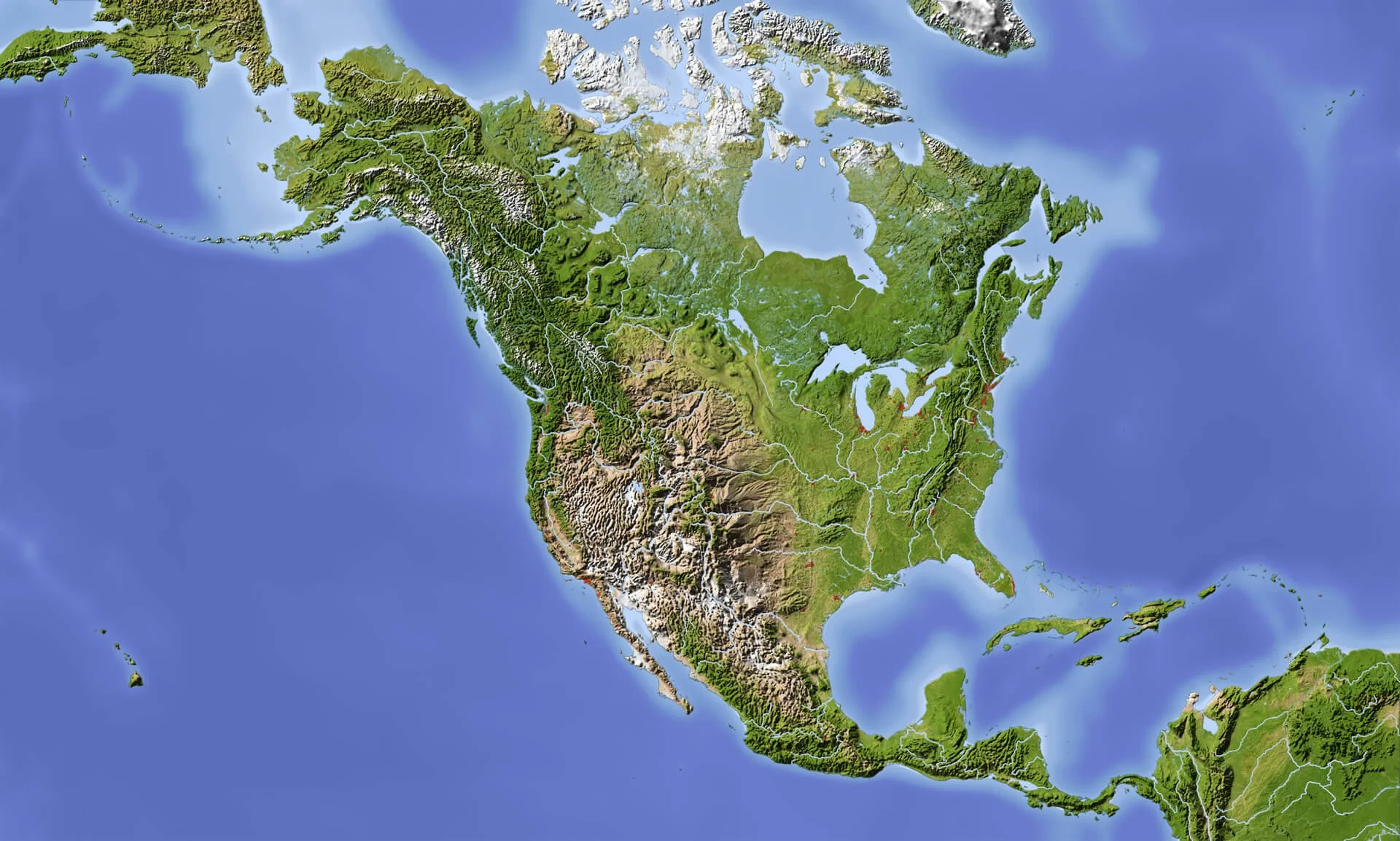
NORTH AMERICA — The Global Power Core
Few regions exert as much global influence as North America.
The United States remains the world’s dominant economic and military force, while Canada continues to leverage natural resources and stable governance to maintain its global standing.
Meanwhile, Mexico is rapidly emerging as a manufacturing and trade powerhouse, benefiting from nearshoring trends and its strategic proximity to the U.S.
Together, they form a triangle of power that drives global markets.

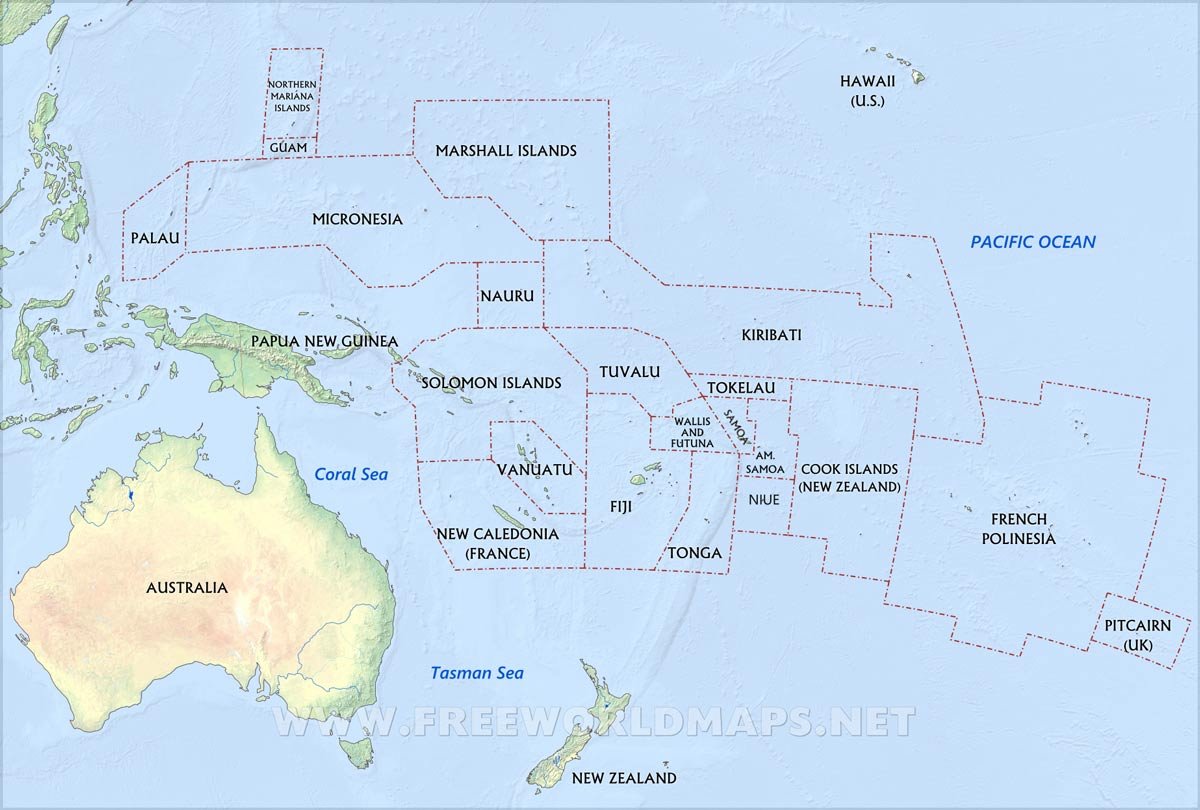
OCEANIA — Small Region, Strategic Reach
Oceania may be smaller in population, but its influence is undeniable.
Australia stands as a resource-rich economic powerhouse, while New Zealand is recognised for its innovation, sustainability, and global quality of life leadership.
Across the Pacific, smaller island nations are gaining importance as geopolitical and environmental focal points in the battle for influence in the region.
By Publisher Ray Carmen
EUROPE — The Nerve Centre of Finance & Influence
Home to legacy powerhouses and global institutions, Europe remains one of the most influential regions on Earth.
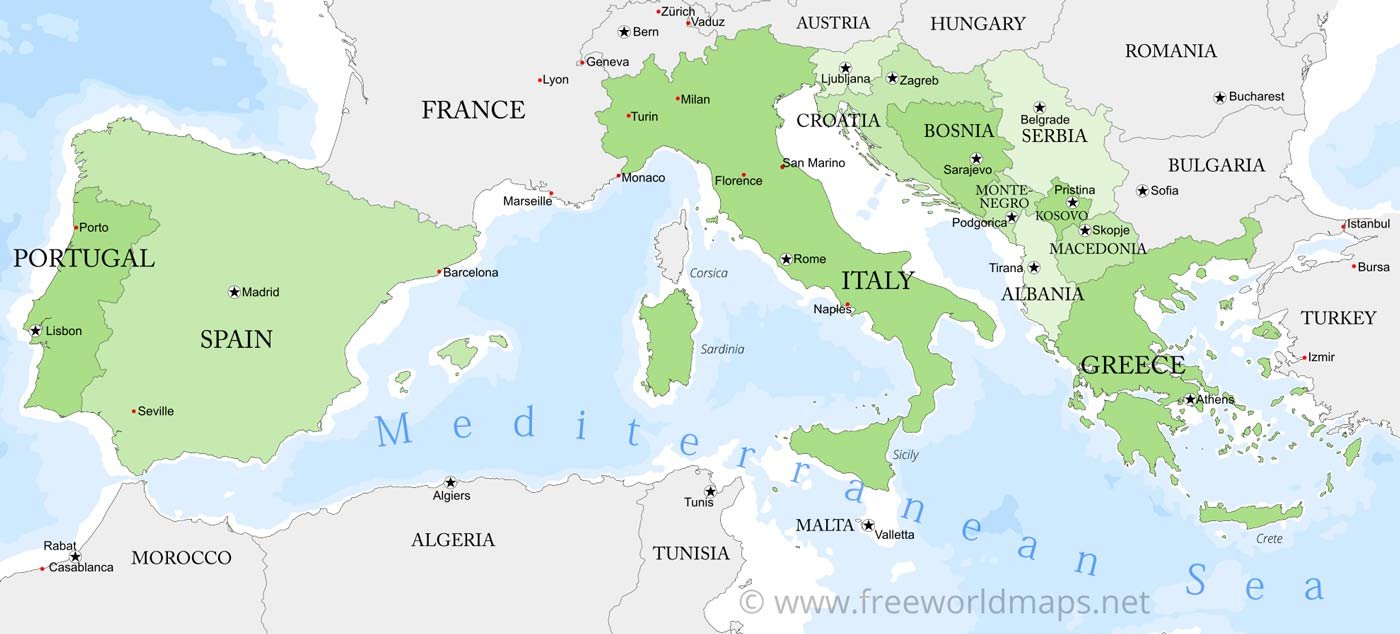
Countries like United Kingdom, Germany, and France continue to shape global finance, diplomacy, and innovation. Meanwhile, emerging Eastern European economies are rapidly repositioning themselves as strategic hubs for technology, energy transit, and manufacturing.
From Switzerland’s banking dominance to Norway’s sovereign wealth power, Europe blends old-world stability with modern economic precision.
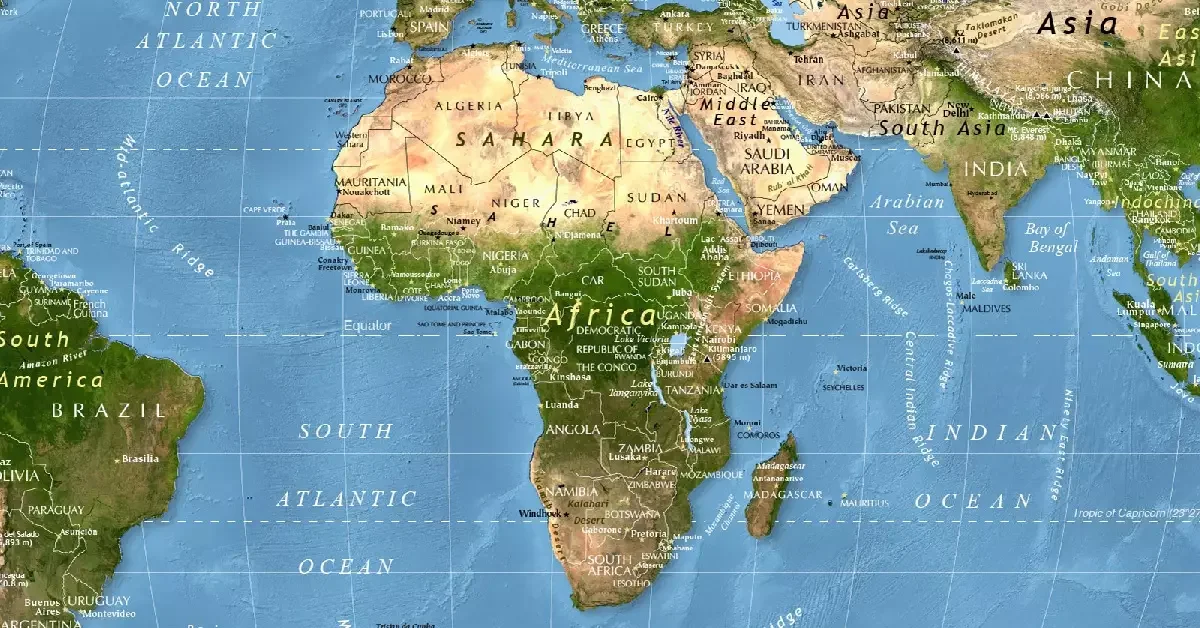
AFRICA — The Resource Powerhouse of Tomorrow
Africa is no longer just emerging—it is awakening.
With vast reserves of critical minerals, energy, and agricultural potential, countries like Nigeria, South Africa, and Egyptare leading a continental transformation.
At the same time, fast-growing economies such as Kenya and Ghana are becoming hubs for fintech, entrepreneurship, and digital innovation.
Africa’s young population is its greatest asset—and its greatest opportunity.
SOUTH AMERICA — The Energy & Commodity Frontier
South America is rich in what the world needs most.
From Brazil’s agricultural dominance to Chile’s lithium reserves and Argentina’s energy potential, the continent plays a critical role in global supply chains.
As the world transitions toward renewable energy, South America’s natural resources place it firmly at the centre of the next economic revolution.
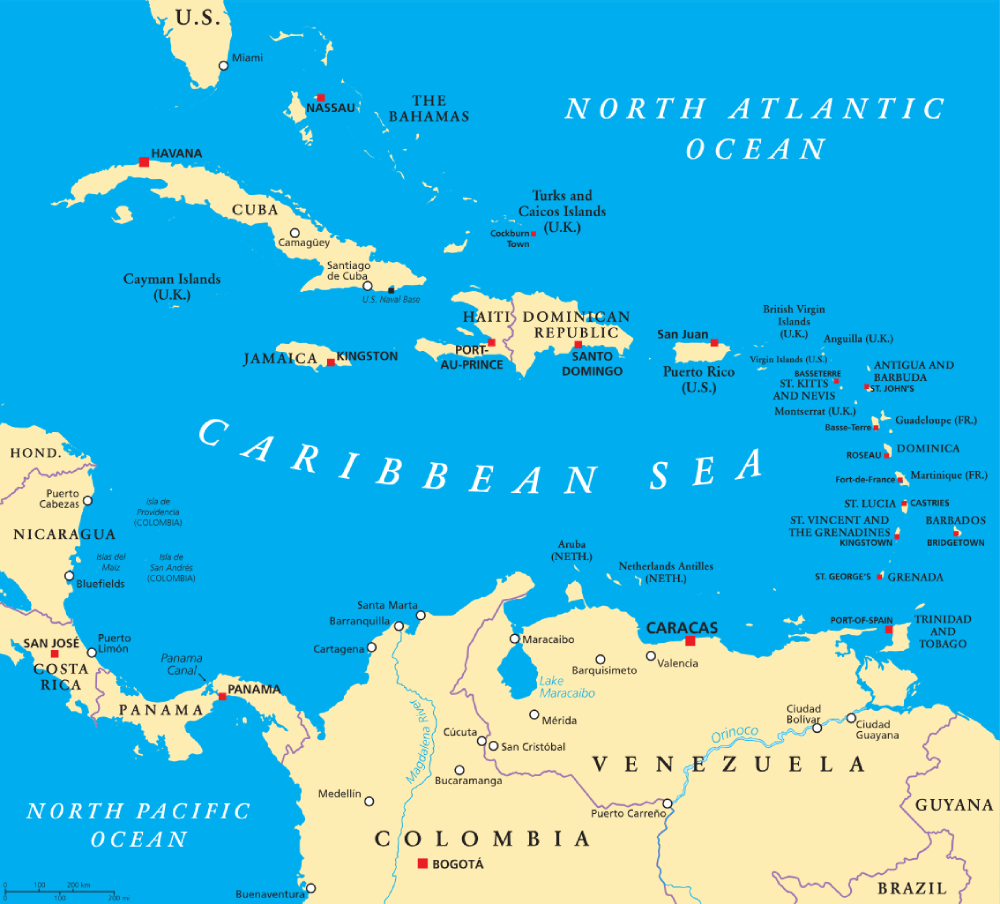
THE CARIBBEAN — Culture, Tourism & Strategic Positioning
The Caribbean is far more than a holiday destination—it is a strategic and cultural force.
Nations such as Jamaica, Barbados, and Trinidad and Tobago combine tourism, energy, and global cultural impact.
Positioned at the crossroads of North and South America, the region plays a vital role in trade routes, finance, and diaspora influence across the globe.
A World in Motion
The balance of power is no longer fixed. It is fluid.
Technology is redrawing borders. Energy is redefining alliances. Demographics are reshaping economies.
The countries that will dominate tomorrow are not just those with the most resources—but those that can adapt, innovate, and connect.
Final Word
This isn’t just a map. It’s a blueprint of where power lives today—and where it’s going tomorrow.