
The Island, the Deed and the Flamingo
By Publisher Ray Carmen
A Trump-linked resort has turned Albania’s wild coastline into a battle over land, nature and who controls the country’s future.
When Kostaq Konomi approached the coast near Zvërnec, southern Albania, he found barbed wire and security guards blocking land he says belongs to his family. He later learned that it formed part of a luxury development backed by international investors, including Jared Kushner, Donald Trump’s son-in-law.
The scene captures Albania’s newest controversy: an old land claim, a new fence and a coastline whose value has suddenly become global.
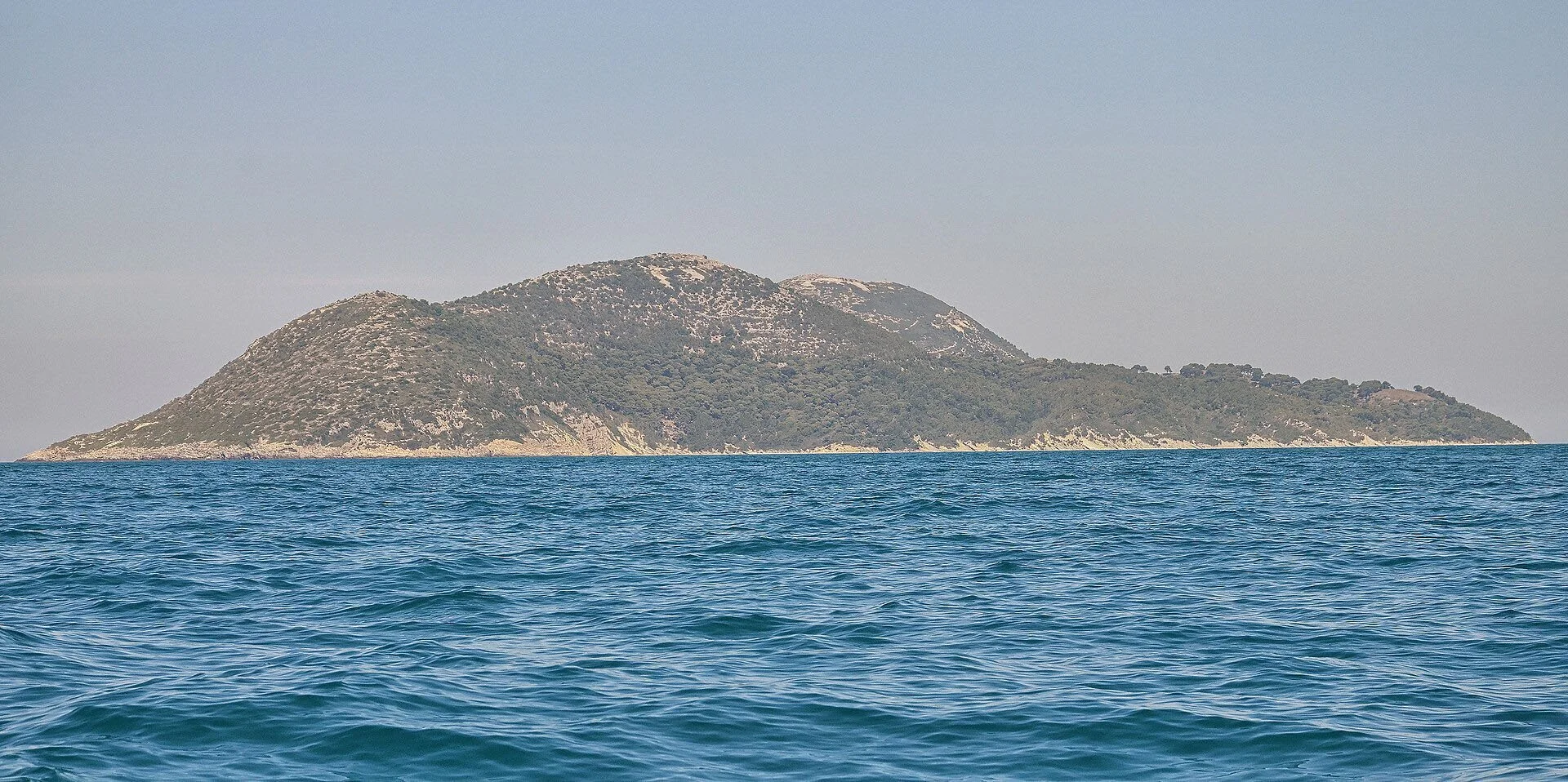
The development covers two remarkable landscapes. Sazan, Albania’s largest island, is a former military stronghold where the Adriatic and Ionian seas meet. Across the water, the Zvërnec site sits beside the Vjosa–Narta lagoon, an ecologically sensitive landscape of beaches, pine forest and wetlands used by flamingos and other migratory birds.
In 2025, Albania granted strategic-investor status to a €1.4 billion plan associated with Kushner’s Atlantic Incubation Partners. Prime Minister Edi Rama argues that such projects will create jobs, attract wealthy visitors and establish Albania as a high-end Mediterranean destination.
Opponents say the real issue is not whether Albania should develop, but who decides—and who benefits.
Follow the deed
Albania’s property records remain tangled by its history. Private land was abolished under communist dictator Enver Hoxha. After the regime collapsed, restitution and privatisation created overlapping deeds, inconsistent maps and decades of court battles.
Families from Zvërnec have contested ownership of part of the proposed resort land for more than a decade. They showed Reuters deeds and tax records that they say support their claim.
In April 2026, a company owned by the resort’s developers and other investors bought the coastal strip from Miami-based businessman Artur Shehu for approximately €110 million.
Albania’s anti-corruption prosecutors subsequently alleged that Shehu and associates had acquired property using forged ownership documents as part of a suspected money-laundering operation. Shehu denies being a trafficker or forger and maintains that his family has owned the land since the Ottoman period.
There is no allegation of wrongdoing against Kushner or the resort’s investors, and Reuters found no indication that they knew of the suspicions when the land was purchased. The developer says it believes the acquisition was lawful.
Yet the political question remains: should a megaproject proceed while ownership of its land is still being contested?
The Flamingo Revolution
The flamingo has become the unlikely emblem of the opposition. Protesters carrying pink birds through Tirana have named their campaign the Flamingo Revolution.
What began as an environmental dispute has widened into anger over corruption, public access and Rama’s long rule. Demonstrators have clashed with security guards and police, while the European Commission has warned Albania—an EU candidate—to respect European environmental standards.
Rama insists that the resort will proceed and that its environmental impact will be properly assessed. His argument has resonance in a country transformed by tourism and long deprived of major investment.
But critics fear that Albania’s rapid reinvention is rewarding enclosure: beaches fenced off, disputed titles consolidated and protected landscapes marketed before the public has agreed to the bargain.
Kushner’s involvement brings international attention, but he is better understood as the accelerant rather than the heart of the story. The deeper conflict was already present: unresolved land claims, fragile institutions and a government convinced that spectacular development represents progress.
The most revealing document may therefore not be a glossy rendering of villas and marinas. It may be the disputed title deed—a piece of paper carrying an Ottoman inheritance, communist confiscation, post-communist restitution and a twenty-first-century sale to global capital.
The resort promises restored ruins, immaculate villas and yachts crossing blue water. The present is messier: court cases, frozen money, riot police and pink cardboard birds.
Between them lies the real question: is Albania finally being discovered—or is it being enclosed?