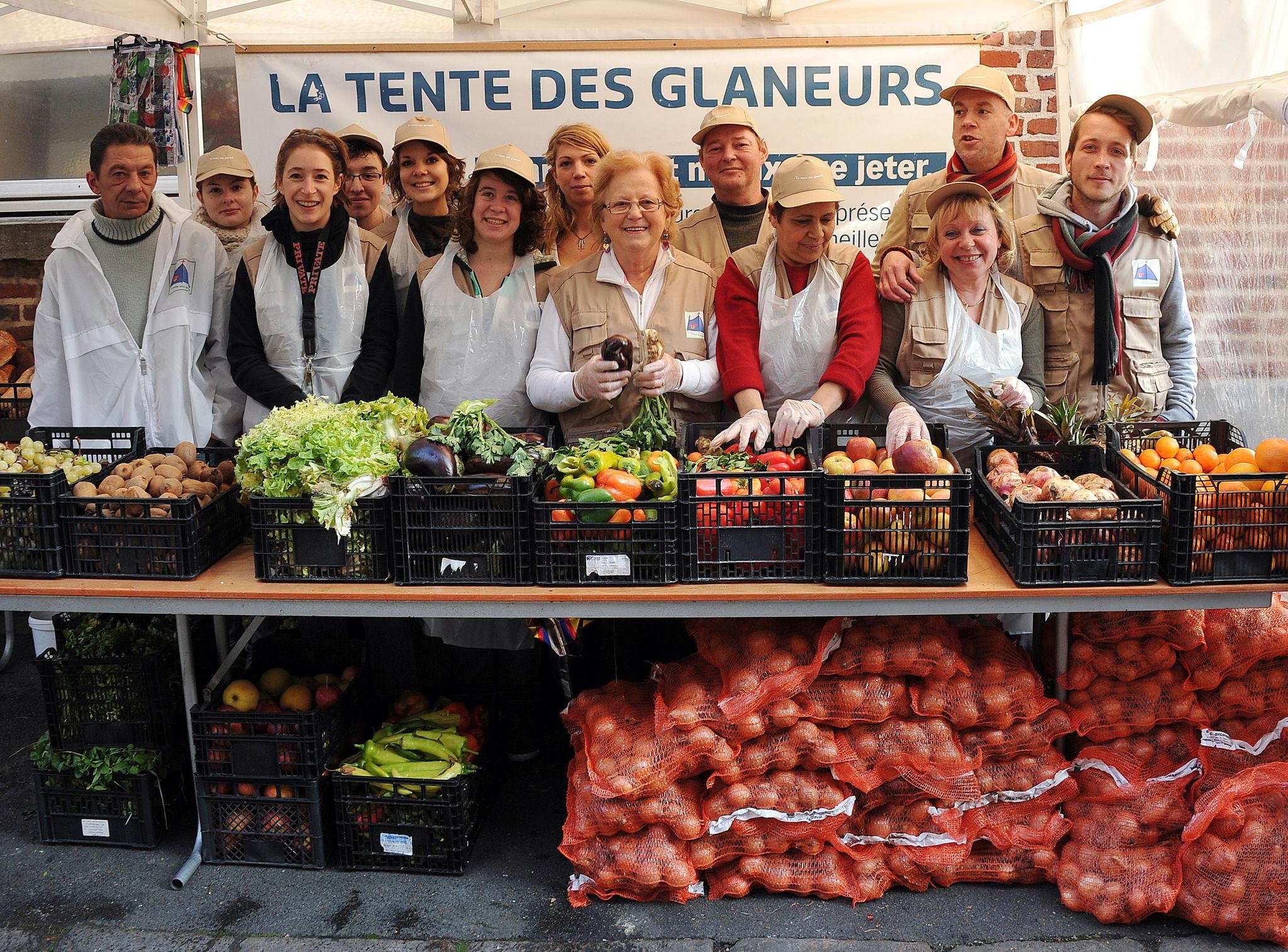
FRANCE’S LAW OF COMPASSION : The Nation That Refused To Let Good Food Go To Waste
By Publisher Ray Carmen
In a world where millions of people still struggle to access adequate food, France took a remarkable step that captured global attention.
France became the first country in the world to require supermarkets to donate unsold but edible food to charities and organisations helping people in need, rather than throwing it away.
The landmark initiative was designed to tackle two major challenges at once: food waste and hunger.
Every year, enormous quantities of perfectly good food are discarded around the world while many families face financial hardship. France decided there had to be a better solution.
Under the French approach, supermarkets are encouraged to work directly with food banks and charitable organisations to ensure surplus food reaches people who can benefit from it.
The policy has been widely praised as an example of how practical legislation can create positive social change while also reducing environmental waste.
Supporters say the initiative demonstrates that economic success and social responsibility can go hand in hand.
At a time when sustainability has become a global priority, France’s decision is viewed by many as a model that other nations may one day follow.
Sometimes the most powerful innovations are not technological.
Sometimes they are simply acts of humanity.
And in this case, a nation chose to ensure that good food feeds people instead of filling landfills.
WORLD OF 7
One Planet. Seven Continents. One Shared Humanity.
ENDLESS LOVE. ENDLESS STORIES. ENDLESS WORLD OF 7. ❤️🌍🙏