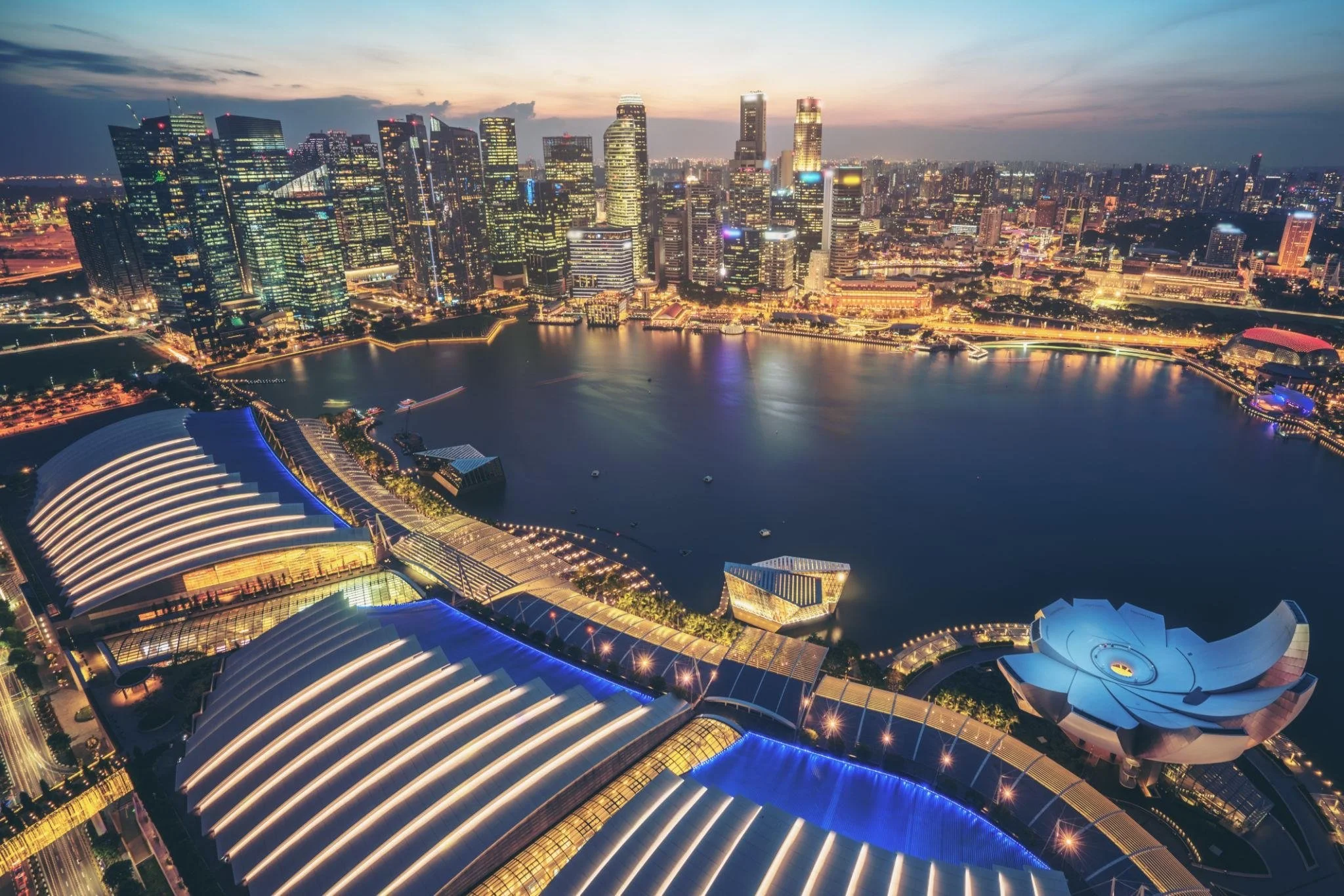
SINGAPORE HAD NOTHING — SO HOW DID IT BECOME ONE OF THE WORLD’S RICHEST NATIONS?
By Publisher Ray Carmen
In 1965, Singapore separated from Malaysia in one of the most significant political and economic turning points in modern Asian history.
At the time, many observers were pessimistic about Singapore’s future.
The tiny island nation possessed no significant natural resources, no oil reserves, limited land, virtually no farmland and a population facing an uncertain future.
Malaysia retained vast natural resources, agricultural wealth and a much larger territory.
On paper, the odds appeared stacked against Singapore.
Yet six decades later, Singapore has become one of the world’s most successful economies, with one of the highest GDP per capita figures anywhere on Earth.
So what happened?
Many economists point to a combination of factors:
✅ Strong institutions and governance
✅ Long-term strategic planning
✅ Heavy investment in education
✅ World-class ports and logistics
✅ Attraction of international business and investment
✅ Efficient public administration
✅ Focus on technology, innovation and global trade
Singapore’s founding generation, led by Lee Kuan Yew, recognised early that the country could not rely on natural resources.
Instead, it would have to invest in its people.
The strategy transformed Singapore from a small trading port into one of the world’s leading financial, aviation and technology hubs.
The lesson is one that economists often repeat:
Natural resources can create wealth.
Human capital, good governance and innovation can create prosperity that lasts.
Today, Singapore stands as one of the most remarkable economic success stories of the modern era — proof that sometimes a nation’s greatest resource is not what lies beneath the ground, but what exists within its people.
WORLD OF 7
Business. Leadership. Vision.
ENDLESS LOVE. ENDLESS STORIES. ENDLESS WORLD OF 7. ❤️🌍🇸🇬