

Dreaming of Paradise: A Guide to Buying a Home in the Maldives
World Of 7 Real Estate Desk
.
Dreaming of Paradise: A Guide to Buying a Home in the Maldives
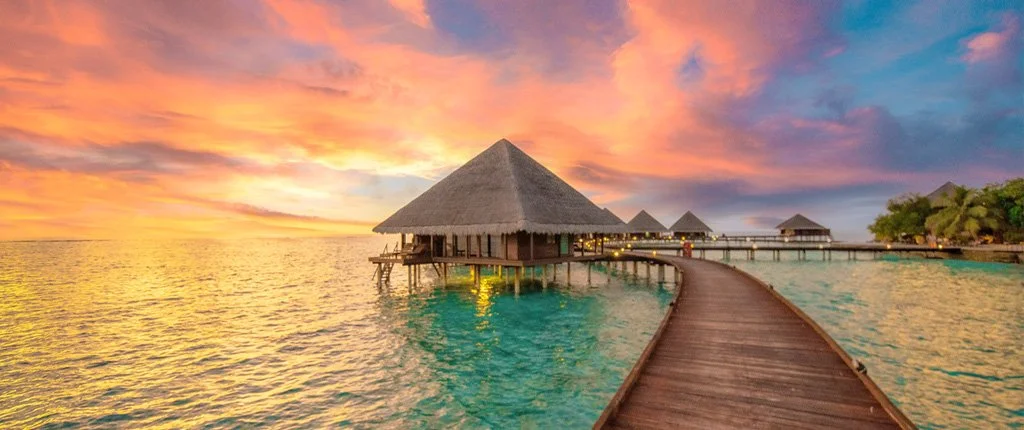
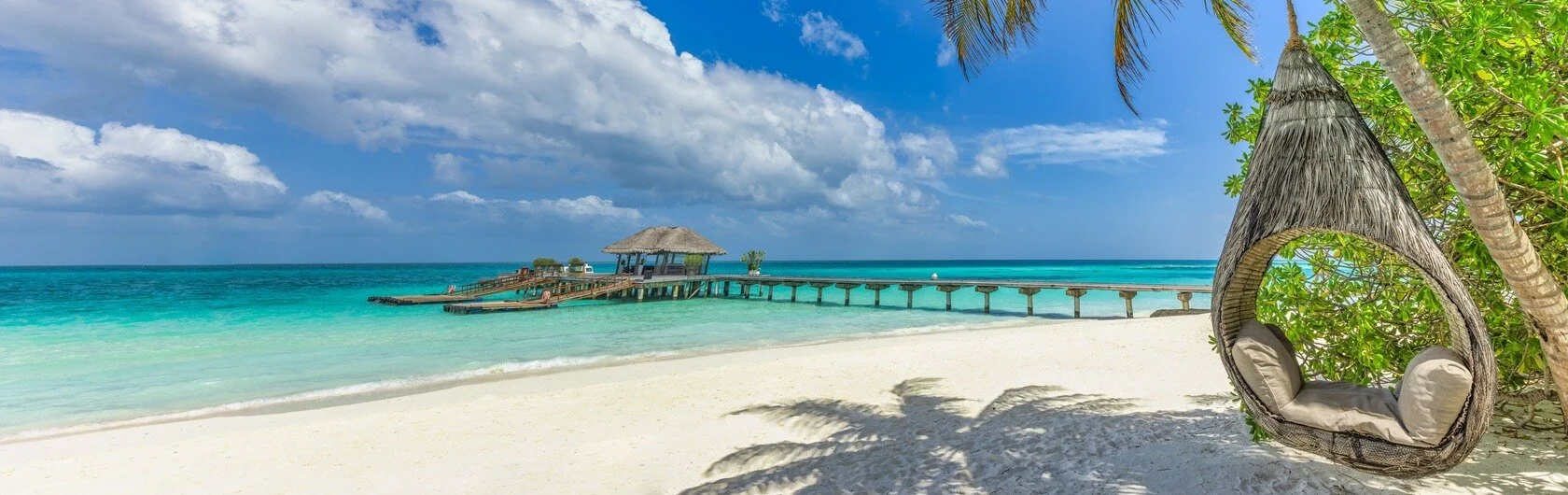
Turquoise lagoons. Powder‑white beaches. Overwater sunset dinners with the Indian Ocean as your soundtrack. For many, owning a home in the Maldives isn’t just a fantasy — it’s a vision of a life reimagined. But when it comes to turning that dream into reality, the Maldivian real estate landscape is as unique as its geography.

Why the Maldives Is Unlike Any Other Property Market
At first glance, buying “a home in the Maldives” suggests beachfront deeds and freehold land — but that’s not how property works here. The Maldivian Constitution expressly reserves freehold land ownership for Maldivian citizens. Land doesn’t truly belong to private buyers; instead, the state retains ownership and grants long‑term rights to use it.
For foreigners, this means buying a leasehold interest — essentially, a long‑term right to occupy and use the property, typically ranging from 50 up to 99 years.
So if you’re picturing a deed like the one you might hold in London or New York, in the Maldives you’re acquiring something that feels like ownership, but works within a distinctive legal framework.
What Foreign Buyers Can Buy
While direct ownership of land is off limits, there are several meaningful opportunities for international buyers:
Luxury Resort Villas and Overwater Homes
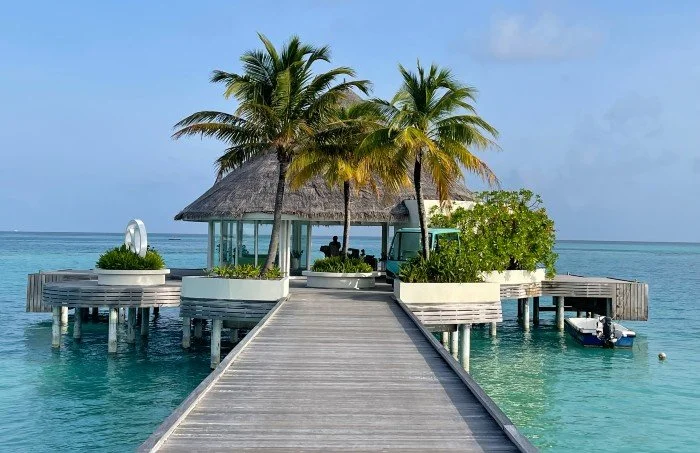
Many high‑end developments offer villas — often overwater bungalows or beachfront suites — under long‑term lease agreements. These feel like owning your own island retreat, and many buyers use them as vacation homes or income‑producing assets.
Integrated Residences & Branded Developments
Some projects combine residential spaces with resort amenities. Buyers secure rights to a specific villa or apartment within a larger tourism‑oriented community, enjoying both privacy and world‑class services.
Private Island Leases
For ultra‑premium buyers or investors, leasing an entire island — or a significant part of one — is possible if conducted through government‑approved development plans. These are rare and costly but represent the pinnacle of exclusive Maldivian property.
How the Purchase Process Works
Choose an Approved Project:
Only properties in government‑sanctioned tourism or special development zones qualify for foreign leasehold purchases.
Understand the Lease Terms:
Leases vary in length and conditions. Most are structured from decades up to 99 years with renewal options.
Work With Local Experts:
Given the unique legal system, local lawyers and licensed agents are essential to navigate title verification, contracts, and registration with Maldivian authorities.
Register With the Government:
Lease agreements must be officially registered and approved — both to make them legally binding and to secure your long‑term rights.
Consider Usage & Rental Programs:
In many developments, properties participate in managed rental programs. These can help you earn income when you’re not in residence, but they may come with usage limits.
Things Every Buyer Should Know Before Taking the Plunge
No Freehold, Only Long‑Term Rights
This isn’t a legal quirk — it’s the fundamental rule of the market. Foreigners get timebound rights, not outright land ownership.
Lease Value Changes Over Time
As a lease gets shorter, its market value can shrink unless it’s renewable. That’s something buyers should factor into long‑term planning.
Usage Restrictions May Apply
Some properties come with mandatory rental participation, peak season usage limitations, or shared services obligations.
Resale Markets Are Niche
The pool of potential buyers for foreign‑held leaseholds is smaller than for traditional homes — meaning selling can take time.

Why People Still Choose the Maldives
Despite the unique ownership structure, the Maldives remains irresistible. It’s not just about sun and sea — it’s about prestige, lifestyle, and the chance to own your slice of one of the most beautiful places on Earth. Whether it’s a romantic getaway you visit yearly or a luxury asset with rental potential, the allure is undeniable.
Final Thought: Invest With Eyes Wide Open
Owning a home in the Maldives isn’t just a real estate transaction — it’s a journey into a legal and cultural landscape that’s very different from most Western markets. But with the right guidance, respect for local laws, and clarity on what you’re actually acquiring, owning your dream property in this Indian Ocean paradise is absolutely within reach.