
PRINCESS DIANA’S TOMB IS HIDDEN ON A TINY ISLAND NO ONE CAN SIMPLY VISIT
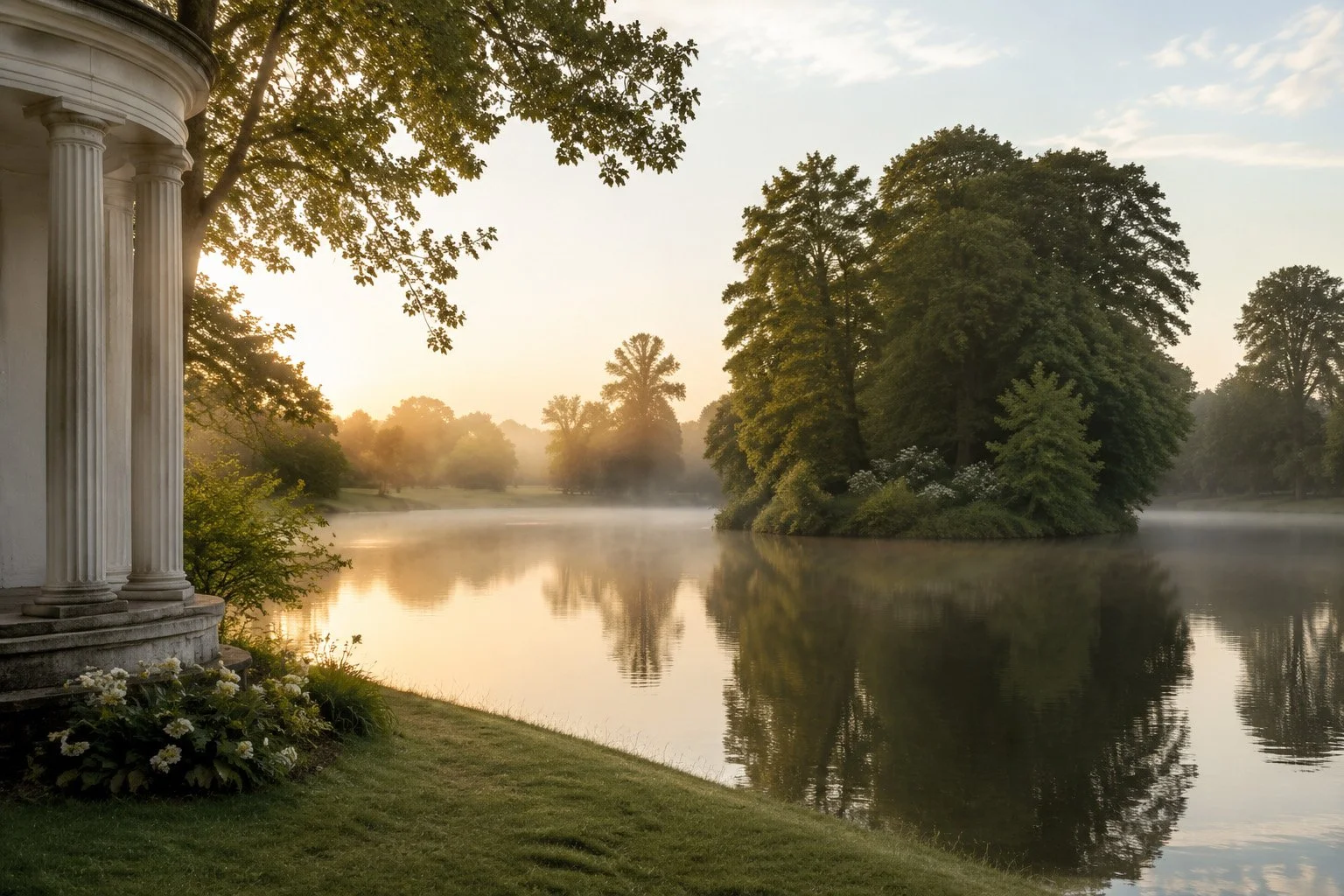
Inside the private sanctuary at Althorp
By Publisher Ray Carmen
At Althorp, the Spencer family estate in Northamptonshire, an ornamental lake surrounds a small wooded island. Beneath its trees lies the final resting place of Diana, Princess of Wales.
Visitors may walk to the memorial beside the water, but the island itself remains a private sanctuary—visible across the lake, yet unreachable as an ordinary stop on a tour.
THE HEADLINE—AND THE TRUTH BEHIND IT
The word “tomb” makes the place sound monumental. In reality, Diana’s burial site is deliberately understated. There is no public mausoleum and no pathway carrying crowds to the grave.
Diana was privately interred on 6 September 1997, following her funeral at Westminster Abbey. Her coffin was taken by road to Althorp, the historic estate where she had spent part of her childhood, and she was laid to rest on an island in its ornamental lake.
The public story ended at the gates. The family’s private act of farewell continued beyond them.
The island is not a secret. Its inaccessibility is the point.
WHY AN ISLAND?
The original intention had reportedly been to bury Diana in the Spencer family vault at St Mary the Virgin in nearby Great Brington.
That plan changed amid concerns that the village and churchyard could be overwhelmed by visitors—and that Diana’s grave might never be secure from intrusion.
Her brother, Charles Spencer, chose Althorp so that the burial site could be cared for by the family and visited privately by her sons, Prince William and Prince Harry.
The lake created a natural boundary. It offered calm, dignity and protection after a life lived beneath extraordinary public attention.
That choice still shapes every visit today: people may come close enough to reflect, but not close enough to transform the grave into a spectacle.
THE OVAL
The lake is commonly known as the Oval or Round Oval. Its island is small, wooded and visually quiet.
A white memorial temple stands on the bank across the water, giving visitors a place to pause and remember Diana. The actual grave remains separate, held within the landscape rather than displayed to it.
CAN THE PUBLIC VISIT?
Yes—but with an important distinction.
Althorp opens to paying visitors on selected dates. Its official visitor information describes the walk from the West Gate car park to the Princess of Wales Memorial at the Oval.
Visitors may explore the estate, house and memorial grounds when they are open. The burial island itself, however, is not part of public access.
There is no ordinary bridge or public footpath leading to it. One cannot simply purchase a ticket to Althorp and then stand beside Diana’s grave.
The visitor experience is intentionally one of distance: water, trees, reflection and the memorial across the lake.
WHAT A VISITOR ACTUALLY SEES
The power of the place comes from its restraint.
The island sits beyond a surface of still water. The memorial temple provides a visible place of remembrance, while the surrounding grounds retain the atmosphere of an English country estate rather than that of a royal shrine.
Althorp is a family home that admits visitors. It is not a public cemetery.
WHY THE BOUNDARY STILL MATTERS
Diana’s relationship with public attention was complicated.
Her warmth made millions of people feel personally connected to her. Yet the relentless pursuit of her image also became part of the tragedy surrounding her life and death.
The island answers that contradiction with a boundary.
Affection may approach. Curiosity must stop at the water.
A woman watched by the world was finally given a place the world could not enter.
NOT HIDDEN FROM MEMORY
Diana’s grave is hidden only in the physical sense. Her humanitarian legacy remains visible across the world.
Her work challenged the stigma surrounding HIV and AIDS. She drew attention to homelessness, children’s welfare and the human cost of landmines. She demonstrated that compassion could be both personal and powerful.
Althorp protects her remains. Memory keeps her influence in motion.
THE LAST PRIVATE PLACE
The story of Diana’s island is compelling because it reverses the usual logic of fame.
Famous lives are photographed, documented, archived and opened to endless inspection. At Althorp, the most important detail is what cannot be inspected.
The grave belongs first to family, grief and silence.
That does not make public remembrance unwelcome. The estate has preserved a place from which visitors may pay their respects. But the water creates a moral distance as well as a physical one.
The lake asks for something modern culture rarely grants the famous: enough love to leave them alone.
The island does not erase Diana from the world. It gives her peace within it.
WORLD OF 7 CLOSING REFLECTION
Princess Diana’s final resting place is neither an urban legend nor a tourist secret.
It is a carefully protected family burial site within a historic private estate. People can visit Althorp when it is open. They can walk to the memorial, look across the Oval and remember.
What they cannot do is cross the water as though history had issued them a personal invitation.
That is why the headline holds: the island is tiny, the story is enormous—and no one can simply visit.
WORLD OF 7
ONE PLANET. 7 CONTINENTS. ONE WEEKLY GLOBAL VIEW.